
Sugar Alcohols and Sweeteners: Erythritol, Stevia, and Hydration
A neutral comparison of common sweeteners, how sugar alcohols differ from non-nutritive sweeteners, and the tolerance and GI quirks to know.

Sugar-free does not mean sweetener-free, and the sweeteners that replace sugar are not all alike. Two broad families show up most often, and they behave differently in the body.
How sugar alcohols differ
Sugar alcohols are one of the two big categories of sugar substitutes. Despite the name, they are neither sugar nor alcohol in the everyday sense; they are a class of carbohydrate-related compounds that taste sweet and are used to replace sugar.
What characterizes them:
- They provide some sweetness with generally fewer calories than sugar. They are not always calorie-free, but they tend to contribute less energy than an equivalent amount of sugar.
- They are incompletely absorbed. A defining feature is that the body does not fully absorb many of them. The unabsorbed portion travels further down the digestive tract, which is the root of both their lower caloric impact and their tendency to cause digestive effects in some people.
- They vary among themselves. Different sugar alcohols differ in how completely they are absorbed and in how likely they are to cause digestive upset. Some are noted for being better tolerated than others, which is why people often react differently to different ones.
You can usually spot sugar alcohols on a label because many of their names end in “-ol.” On nutrition panels, they may be listed separately, which matters for anyone counting carbohydrates, since sugar alcohols are often treated differently from other carbohydrates in net-carb math.
Non-nutritive sweeteners at a glance
The other major family is non-nutritive sweeteners, sometimes called high-intensity sweeteners. These are intensely sweet, so only a tiny amount is needed, and they contribute little or no calories.
General characteristics:
- Very high sweetening power. Because a minute quantity delivers a lot of sweetness, the calorie contribution is negligible in practice.
- They include both plant-derived and synthetic options. Some non-nutritive sweeteners are derived from plants, while others are manufactured. Importantly, “plant-derived” is a statement about origin, not automatically about being better or worse for you.
- They are often blended. Products frequently combine sweeteners, including pairing a non-nutritive sweetener with a sugar alcohol used as a bulking agent, because each compensates for the other’s quirks in taste or texture.
A side-by-side orientation:
| Feature | Sugar alcohols | Non-nutritive sweeteners |
|---|---|---|
| Calories | Some, usually fewer than sugar | Little to none |
| Sweetening power | Roughly comparable to sugar | Very high; tiny amounts used |
| Common label clue | Names often end in “-ol” | Listed by name in ingredients |
| Main practical concern | Digestive tolerance | Personal preference and debate |
Both families are widely used and widely studied. This article does not rank them or make health claims about either, because the evidence is nuanced and individual responses vary; the goal here is to explain how they differ, not to crown a winner.
Tolerance and GI side effects
The most practical, everyday difference between these sweeteners, especially for hydration drinks, is how they sit with your digestion.
Sugar alcohols are the more common culprit for digestive complaints:
- Because they are incompletely absorbed, the unabsorbed portion can draw water into the gut and be fermented further along, which for some people means bloating, gas, or a laxative effect.
- The likelihood and severity depend on the specific sugar alcohol, the amount, and the individual. Some sugar alcohols are noted for being gentler than others.
- This matters for hydration drinks in particular: a drink meant to help you feel good is counterproductive if it sends your stomach into revolt. People sensitive to sugar alcohols sometimes do better choosing products sweetened differently.
Non-nutritive sweeteners are generally less associated with this kind of GI effect at the small amounts used, though individual sensitivities and preferences differ. Some people simply dislike the taste of one sweetener or another, which is reason enough to choose differently.
Two practical, low-risk takeaways:
- Tolerance is individual. The same sweetener can be fine for one person and troublesome for another. Paying attention to how you personally respond is more useful than any blanket rule.
- Amount and combination matter. Larger quantities of sugar alcohols are more likely to cause issues, and blends behave differently than single sweeteners. Reading the label tells you what you are actually getting.
For most people these are tolerance-and-preference questions rather than medical ones. Anyone with a specific digestive condition, or who reacts strongly, may want to be more deliberate, and persistent digestive trouble is always worth raising with a clinician rather than guessing at the cause.
The bottom line
Sugar substitutes fall into two main families: sugar alcohols, which are incompletely absorbed, carry some calories, and are the usual cause of bloating or laxative effects in sensitive people, and non-nutritive sweeteners, which are intensely sweet, nearly calorie-free, and less associated with GI upset at typical amounts. Neither is crowned here, because tolerance and preference are individual. Read labels to know what you are getting, notice how you personally respond, and bring persistent digestive issues to a clinician.
More to read
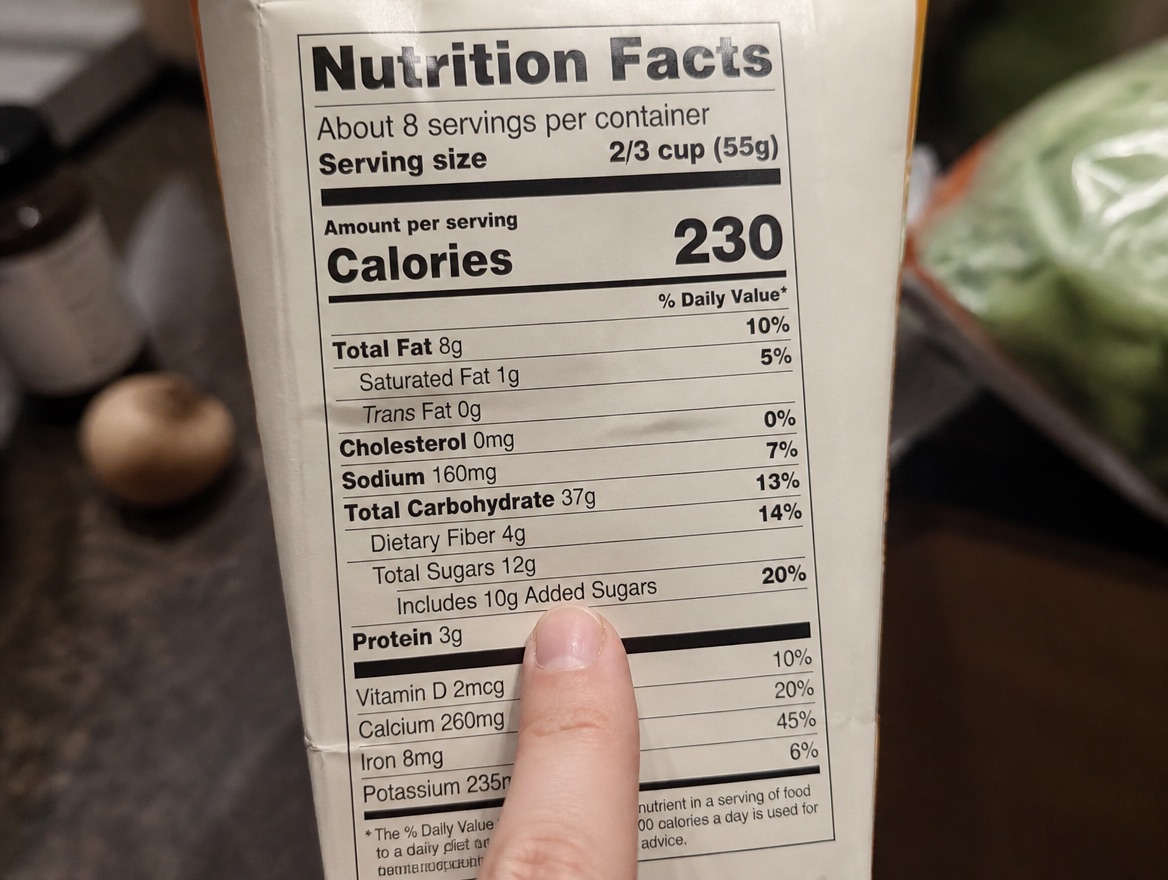
How to Read a Nutrition Label as a Keto Eater
A line-by-line decoder for the nutrition label — serving size, total carbs, fiber, sugar alcohols, added sugars — built around what a low-carb shopper actually checks.

Does Stevia Spike Insulin? Reading the Evidence Without Hype
What the controlled human trials actually show on steviol glycosides and the acute insulin response, and where the conflicting headlines are coming from.
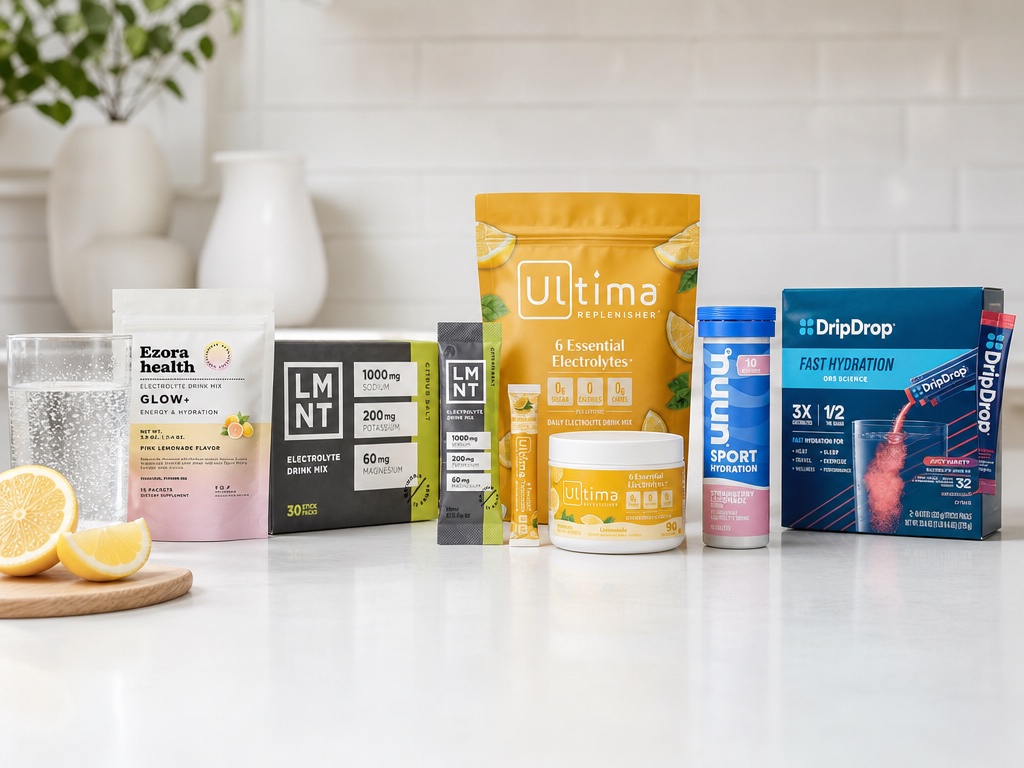
Best Sugar-Free Electrolytes: 5 Picks Ranked Honestly
A label-first ranking for keto, low-carb and fasting readers — scored on added sugar, sodium-to-potassium ratio, sweetener choice and the absence of maltodextrin.