
Sugar-Free vs. No Added Sugar: Not the Same Thing
Untangling two label claims people routinely confuse, what each allows, the difference between naturally occurring and added sugar, and why to check the panel.
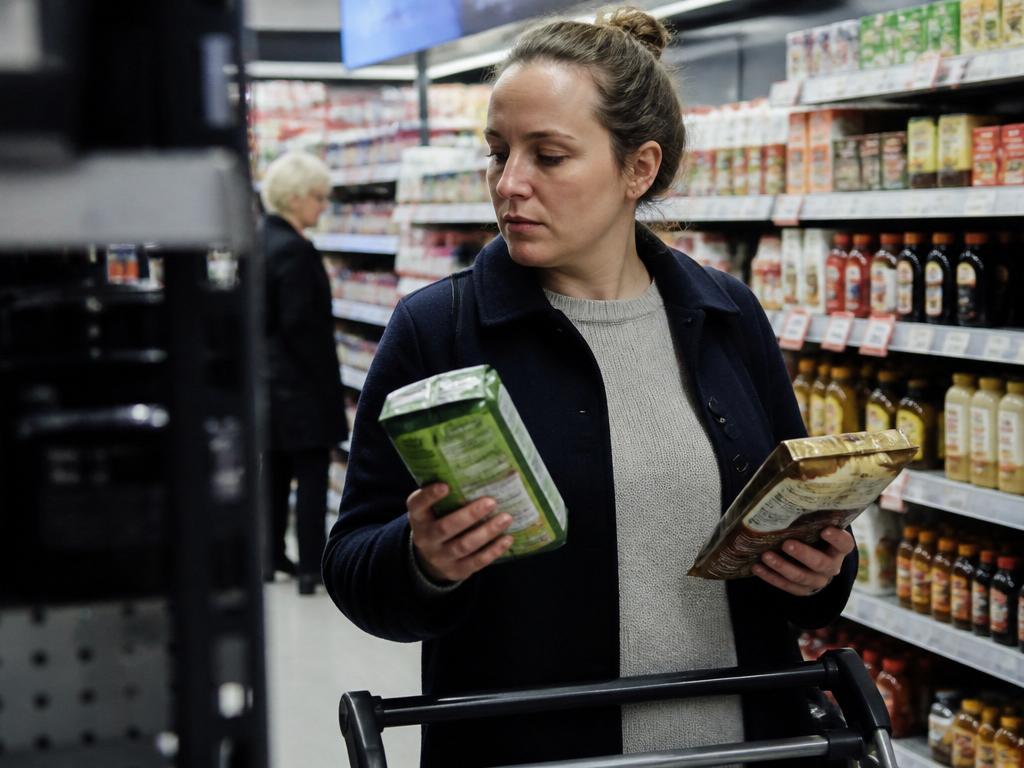
“Sugar-free” and “no added sugar” sound interchangeable, and shoppers treat them as if they are. They are not, and the gap between them can quietly undercut a sugar-conscious diet.
What each claim legally allows
Front-of-pack claims are not free-for-all marketing; they are governed by definitions. Understanding roughly what each one permits is the key to reading them correctly.
“Sugar-free” is a claim about how little sugar is present:
- Broadly, it indicates a product contains at most a very small, regulated amount of sugar per serving, essentially negligible.
- It is a statement about the total sugar in the product, not about whether sugar was deliberately added.
- A product can be sugar-free and still rely on sweeteners, such as sugar alcohols or non-nutritive sweeteners, to taste sweet without the sugar.
“No added sugar” is a claim about what was put in, not about what is present:
- It indicates that sugars were not added during processing or packaging.
- It does not mean the product is free of sugar, because ingredients can carry naturally occurring sugars that remain.
- A product can carry this claim and still contain a meaningful amount of naturally present sugar.
The crucial distinction: one claim is about the quantity of sugar present, the other is about the act of adding sugar. They answer different questions, which is exactly why conflating them causes confusion.
| Claim | What it tells you | What it does not tell you |
|---|---|---|
| Sugar-free | Sugar present is negligible | Whether sweeteners are used |
| No added sugar | None was added in processing | How much naturally occurring sugar is present |
Naturally occurring vs. added sugar
The whole confusion turns on a single distinction: sugar that is naturally part of an ingredient versus sugar that is added during production. Both affect you, but labels treat them differently.
- Naturally occurring sugar is the sugar inherent in an ingredient. It is present without anyone adding it, and it still counts as sugar that your body processes.
- Added sugar is sugar introduced during manufacturing, whether as table sugar, syrups, or any of sugar’s many other names.
- “No added sugar” speaks only to the second category. A product made from ingredients that are naturally sugar-containing can be high in naturally occurring sugar and still honestly claim no added sugar.
- “Sugar-free” speaks to the total, so it captures both, which is why it is the stricter claim about sugar content, though it says nothing about sweeteners used in sugar’s place.
This is why “no added sugar” can be misleading for someone who assumes it means low sugar. The claim is true and the product can still deliver real sugar, because the sugar was there to begin with rather than spooned in. For a sugar-conscious or low-carb eater, that naturally occurring sugar counts just the same.
The flip side matters too. A “sugar-free” product clears the sugar bar but may lean on sugar alcohols or non-nutritive sweeteners, which are their own consideration around taste, digestive tolerance, and personal preference. “Sugar-free” is not automatically “sweetener-free.”
Checking the panel, not the front
The reliable habit, as with every sugar question, is to let the nutrition panel and ingredients settle what the front-of-pack claim only hints at.
A practical routine:
- Read total sugars on the panel. This is the standardized figure for how much sugar is in the product, naturally occurring and added together. It is the truest single number for sugar content.
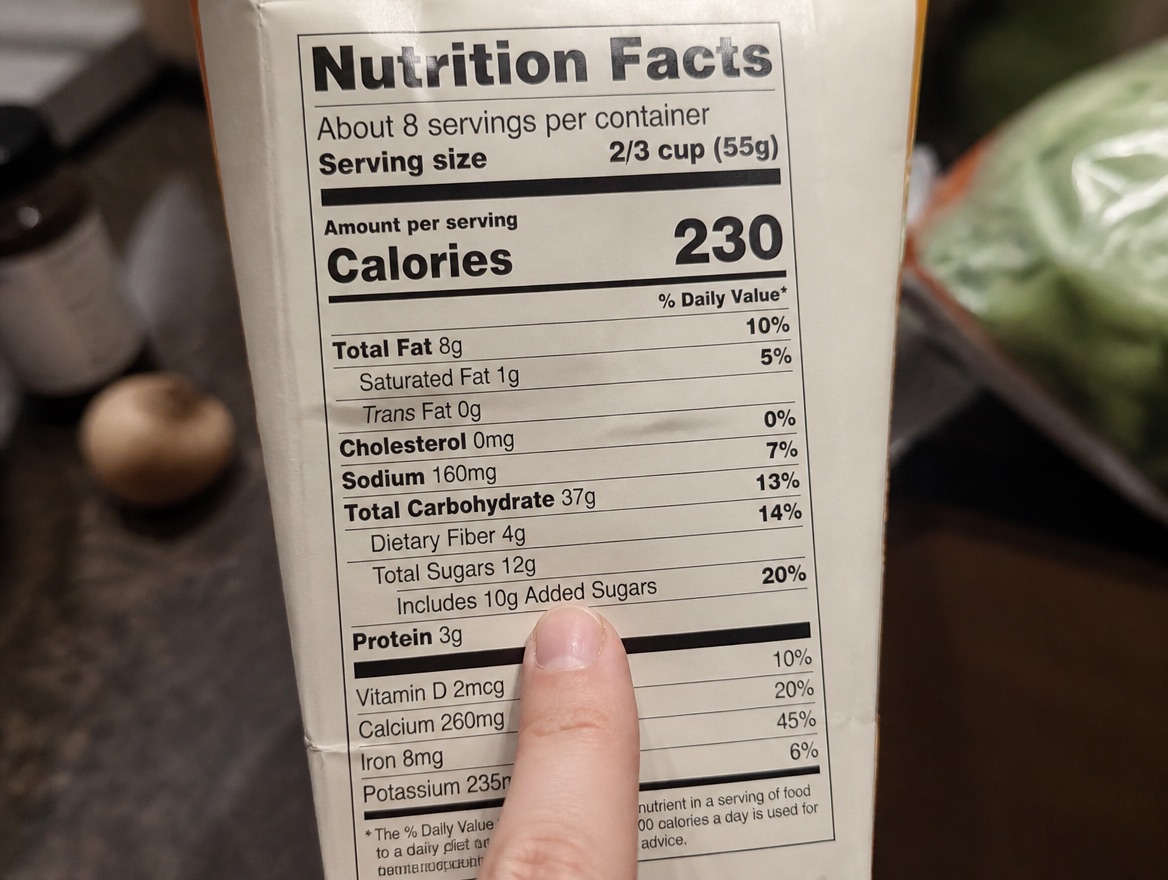
- Read the added-sugars line where present. Many panels now separate added sugars, which directly clarifies the “no added sugar” question by showing how much, if any, was put in.
- Scan the ingredients. This reveals both whether sweeteners were added under sugar’s many names and what is doing the sweetening in a sugar-free product.
- Match the claim to the numbers. If a product says “no added sugar,” check total sugars to see what is naturally present. If it says “sugar-free,” check the ingredients to see what replaced the sugar.
The unifying principle is simple: front-of-pack claims narrow the possibilities, but the panel confirms the reality. Neither claim is dishonest, and neither is sufficient on its own. For anyone watching sugar closely, including low-carb and fasting readers, the back of the pack is where the decision should actually be made.
The bottom line
“Sugar-free” and “no added sugar” are different claims: the first means the sugar present is negligible, the second means no sugar was added during processing while saying nothing about naturally occurring sugar. A “no added sugar” product can still be high in inherent sugar, and a “sugar-free” product can still rely on sugar alcohols or non-nutritive sweeteners. Always verify on the nutrition panel, total sugars, the added-sugars line, and the ingredients, rather than trusting the front-of-pack claim alone.
More to read
How to Read a Nutrition Label as a Keto Eater
A line-by-line decoder for the nutrition label — serving size, total carbs, fiber, sugar alcohols, added sugars — built around what a low-carb shopper actually checks.

Does Stevia Spike Insulin? Reading the Evidence Without Hype
What the controlled human trials actually show on steviol glycosides and the acute insulin response, and where the conflicting headlines are coming from.
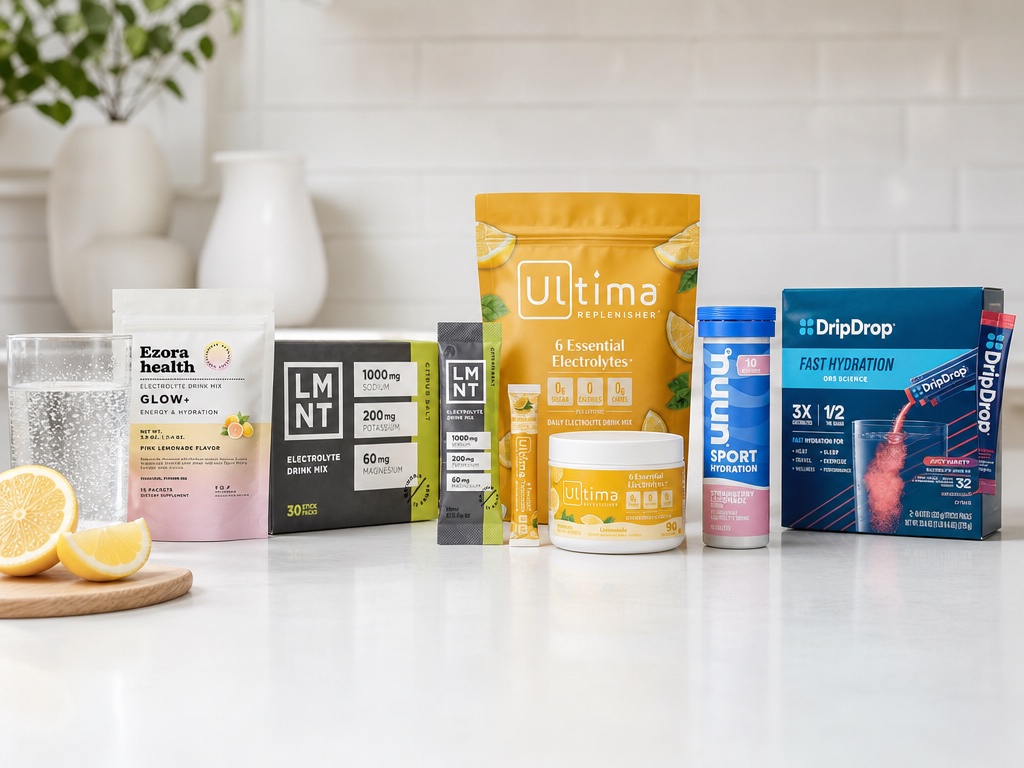
Best Sugar-Free Electrolytes: 5 Picks Ranked Honestly
A label-first ranking for keto, low-carb and fasting readers — scored on added sugar, sodium-to-potassium ratio, sweetener choice and the absence of maltodextrin.