
Sugar's Many Aliases: Reading the Ingredients List
A decoder for the dozens of words that mean sugar, from the -ose family and syrups to natural sugars that still count, and where they hide on a label.
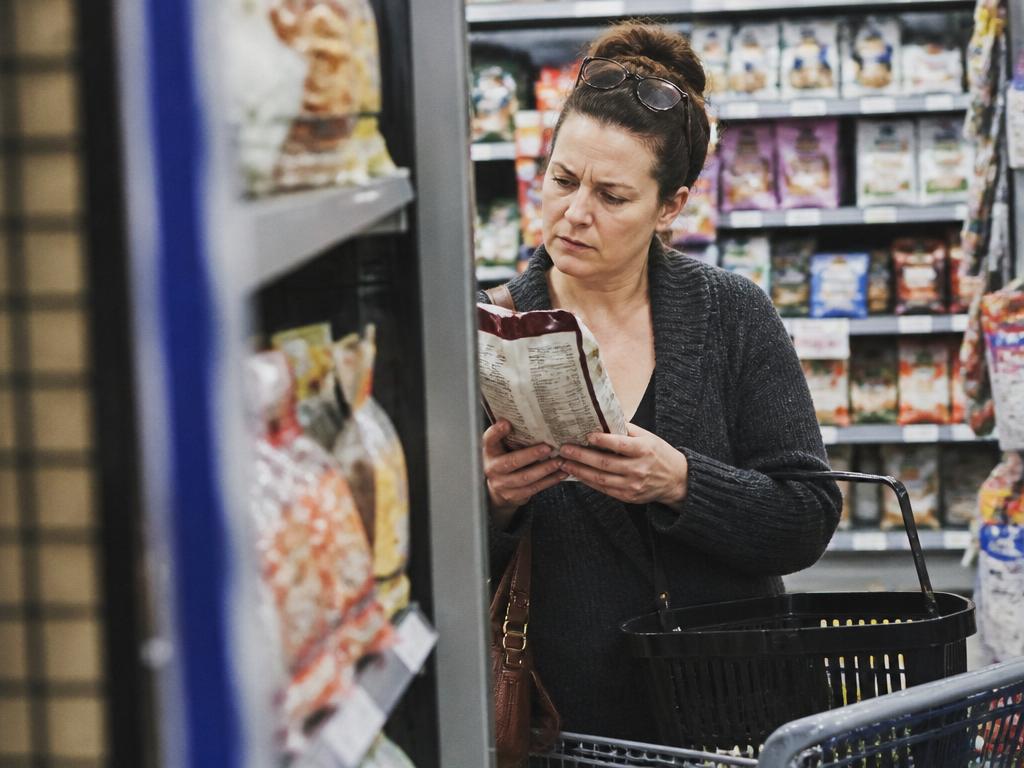
If you only scan an ingredients list for the word “sugar,” you will miss most of it. Sugar travels under dozens of names, and learning the patterns turns an opaque label into a readable one.
The -ose family and syrups
The most reliable shortcut is a pair of patterns: many sugars end in “-ose,” and many others are called syrups.
The “-ose” family includes some of the most common sugars you will encounter on labels. The names differ, but they are all sugars from a labeling standpoint, and your body treats them as sugars. Seeing several “-ose” words on a label is a strong signal of how much sweetening is in the product.
Syrups are the other big bucket. A wide range of ingredients labeled as some kind of syrup are, functionally, concentrated sugar. The descriptive words in front of “syrup” vary, but the category as a whole is sugar by another name.
How to use these patterns:
- Treat any “-ose” word as a sugar unless you have a specific reason to know otherwise. The ending is a useful flag.
- Treat “syrup” as sugar regardless of the adjective attached to it.
- Count them together. A product can use one sweetener from each pattern, plus others, so that no single one looks dominant. Mentally adding them up gives a truer sense of the sugar load than reading any one in isolation.
These two patterns alone will catch a large share of the sugar hiding on most labels.
”Natural” sugars that still count
A second category is the sweeteners that sound wholesome, unrefined, or natural. The marketing leans on the implication that these are meaningfully different. From the standpoint of being sugar, they largely are not.
The reality:
- Natural-sounding sweeteners are still sugars. Sweeteners derived from fruit, cane, or other sources, and those marketed as less processed, still count as sugar and still contribute to your sugar intake. “Natural” describes origin or processing, not whether it is sugar.
- Concentrated fruit-based sweeteners are not a free pass. Sweeteners derived from concentrated fruit sources are sometimes positioned as healthier, but as a sugar contribution they behave like other sugars.
- The health halo can mislead. A product can carry an unrefined or natural-sounding sweetener and still deliver a meaningful sugar load. The wholesome name does not change the math.
This is worth internalizing because it is one of the most effective ways products soften the perception of sugar content. A sweetener with a natural, artisanal, or fruit-derived name reads as benign, but on the label it is doing the same job as any other sugar. For sugar-conscious readers, the lesson is to judge by the function, not the adjective.
A short orientation:
| Pattern on the label | How to read it |
|---|---|
| Ends in “-ose” | Treat as sugar |
| Called a “syrup” | Treat as sugar |
| ”Natural,” “unrefined,” fruit-derived sweetener | Still counts as sugar |
| Several sweeteners spread down the list | Add them up mentally |
Where they hide on the ingredient list
Knowing the names is half the battle. The other half is knowing where and how they appear, because placement and spreading are used to manage perception.
Key points about placement:
- Order reflects quantity. Ingredients are generally listed from most to least by weight. A sweetener near the top means there is a lot of it; near the bottom means less, though several small entries still add up.
- Splitting sweeteners moves them down. A common technique is to use multiple different sugars rather than one. Because each appears separately and lower on the list, none looks dominant, even when their combined amount is significant. This is the single most important thing to watch for.
- Sugar hides in savory and “healthy” products too. It is not just desserts. Sauces, dressings, breads, snacks, and drinks marketed as wellness or performance products can all carry added sweeteners. Do not assume a product is sugar-light because it is not obviously sweet.
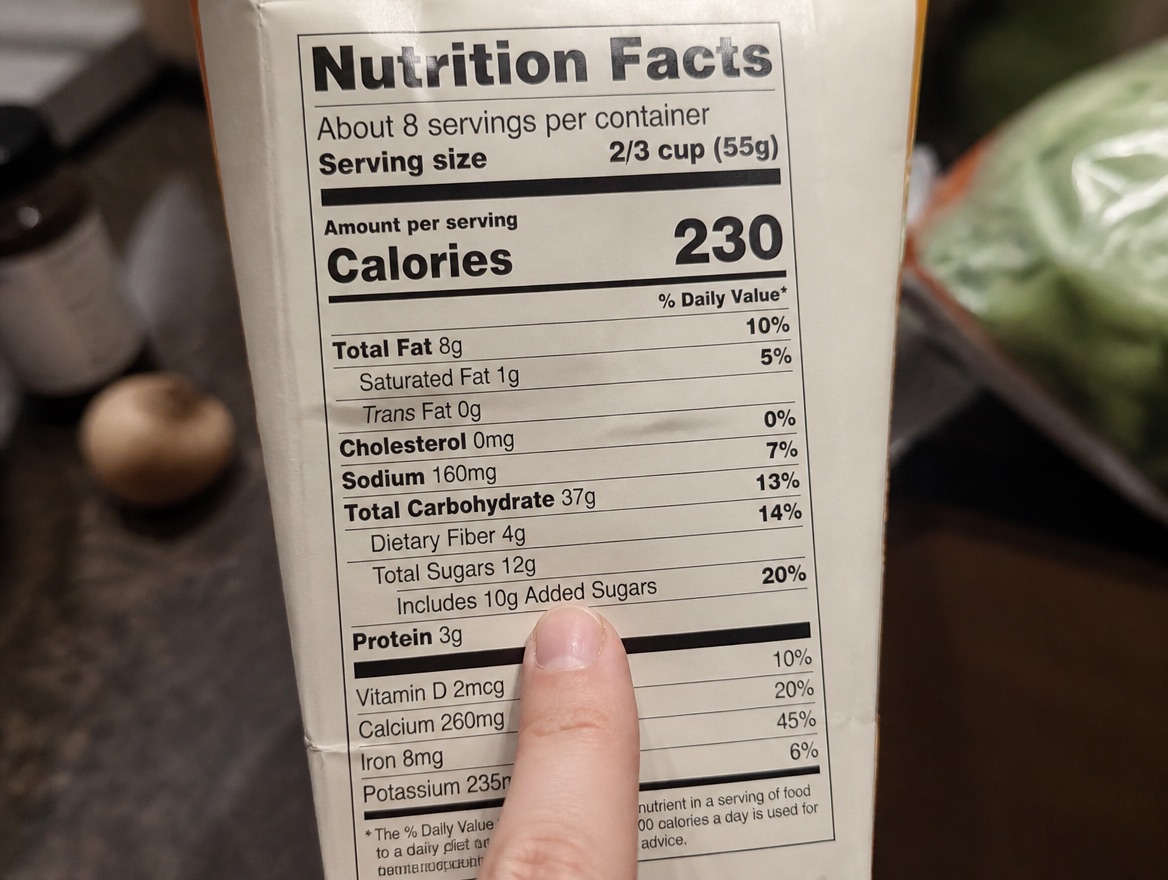
- The added-sugars line helps. Where a label separates added sugars on the nutrition panel, that figure cuts through a lot of the naming games by telling you how much sugar was put in, regardless of what each one is called.
The practical method: scan the whole ingredients list for the “-ose” and “syrup” patterns plus natural-sounding sweeteners, notice if several are spread out, and cross-check against the added-sugars figure on the panel. Together these give you a clear read even when the label is working to obscure it.
The bottom line
Sugar appears on labels under dozens of names, but two patterns catch most of them: words ending in “-ose” and ingredients called syrups, with natural-sounding and fruit-derived sweeteners counting as sugar too. Watch especially for several different sweeteners spread down the list, a tactic that keeps any one from looking dominant. Read the full ingredients list for these patterns and cross-check the added-sugars line on the panel, and judge sweeteners by function rather than by how wholesome the name sounds.
More to read
How to Read a Nutrition Label as a Keto Eater
A line-by-line decoder for the nutrition label — serving size, total carbs, fiber, sugar alcohols, added sugars — built around what a low-carb shopper actually checks.

Does Stevia Spike Insulin? Reading the Evidence Without Hype
What the controlled human trials actually show on steviol glycosides and the acute insulin response, and where the conflicting headlines are coming from.
Best Sugar-Free Electrolytes: 5 Picks Ranked Honestly
A label-first ranking for keto, low-carb and fasting readers — scored on added sugar, sodium-to-potassium ratio, sweetener choice and the absence of maltodextrin.