Why You Lose So Much Water (and Sodium) When You Start Keto
The insulin-and-glycogen mechanism behind the early keto whoosh, the salt your kidneys dump, and why it changes how you feel.
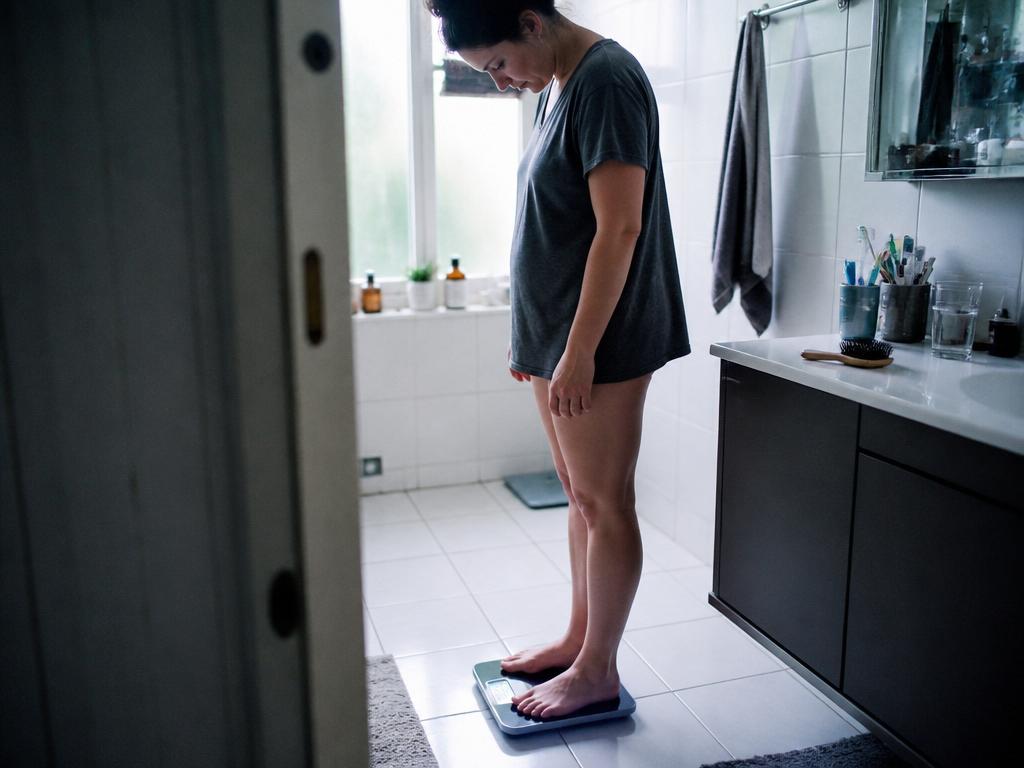
Cut your carbs hard for a few days and the scale often drops fast. That early “whoosh” feels like fat loss, but most of it is water and the sodium that travels with it.
Glycogen, water, and the first-week drop
Your body stores carbohydrate as glycogen in the liver and muscles. Glycogen is not stored dry. Each gram is bound to several grams of water, so a well-stocked store carries a meaningful amount of fluid along with it.
When you stop feeding your body carbohydrate, it starts spending that glycogen for energy. As the stores empty, the water that was bound to them is released and excreted. That is the mechanical reason the scale can move several pounds in the first week without a single pound of fat being involved.
A few things follow from this:
- The drop is front-loaded. It is largest in the first days and tapers as stores deplete.
- It is partly reversible. Eat a high-carb meal and some of that water comes back as glycogen refills. This is normal, not failure.
- It says little about fat loss. Early scale movement and fat loss are different processes on different timelines.
Understanding this keeps you from over-reading the scale in either direction during the transition.
Why insulin tells kidneys to dump sodium
The second half of the story is sodium. Carbohydrate raises insulin, and insulin does more than manage blood sugar. One of its lesser-known effects is on the kidneys, where it encourages sodium retention.
Restrict carbs and insulin levels fall. With less insulin signaling them to hold on, the kidneys release more sodium into the urine, and water follows the sodium out. This is sometimes called natriuresis, and it is a recognized part of the early low-carb adjustment.
The result is a double effect in the first week:
| Source of fluid loss | Driver |
|---|---|
| Glycogen-bound water | Depleting carb stores |
| Sodium and its water | Lower insulin, more urinary sodium |
Both run in the same direction at the same time, which is why the early loss can feel dramatic. It also means you are losing not just water but a real amount of the body’s main extracellular electrolyte.
What this means for how you feel
Losing fluid and sodium together is exactly the setup for the cluster of symptoms many people report in the first week: fatigue, headache, lightheadedness on standing, and a generally flat feeling. These are commonly grouped under the informal label “keto flu,” and a large part of the picture is a fluid-and-mineral shift rather than anything wrong with the diet itself.
A few practical implications, kept general:
- Hydration alone may not fix it. Drinking more plain water without replacing sodium can sometimes make you feel more washed-out, not less, because you are diluting an already lower sodium level.
- Salt is not automatically the enemy here. For many low-carb eaters, modestly increasing sodium intake during the transition is part of how they ease symptoms. Whole-food sources and broth are easy starting points.
- The adjustment is usually temporary. As the body adapts over days to a couple of weeks, the steep early losses level off and symptoms tend to settle.
This is also where individual circumstances matter. If you have high blood pressure, kidney disease, heart failure, or take medication that affects fluid or sodium balance, deliberately increasing salt is not a casual decision. Those are exactly the situations where a clinician should guide the specifics rather than a general article.
The bottom line
The fast early drop on keto is mostly water, released as glycogen depletes and as lower insulin prompts the kidneys to shed sodium. It is a predictable physiological shift, not a measure of fat loss, and the fluid-and-sodium piece explains much of why people feel rough in week one. Read the scale loosely, pay attention to sodium and hydration during the adjustment, and bring any blood-pressure, heart, or kidney concerns to a clinician before changing how much salt you take in.
More to read

Magnesium Glycinate vs Citrate vs Malate: Which Form for Keto Cramps
Bioavailability, GI tolerance, and the practical spec differences between magnesium glycinate, citrate, and malate for the cramps that wake keto eaters at 3 a.m.

Best Salt for Keto: Pink, Sea, Kosher, Table — What's the Difference?
A spec-sheet comparison of pink Himalayan, sea, kosher, and table salt for keto — mineral content per gram, iodine, and how each one actually delivers sodium.

Best Electrolytes for Keto Flu: What the Label Should Show
A spec-criteria walk through the panel — sodium, potassium, magnesium, added sugars — for choosing an electrolyte mix during the first two weeks of low-carb.